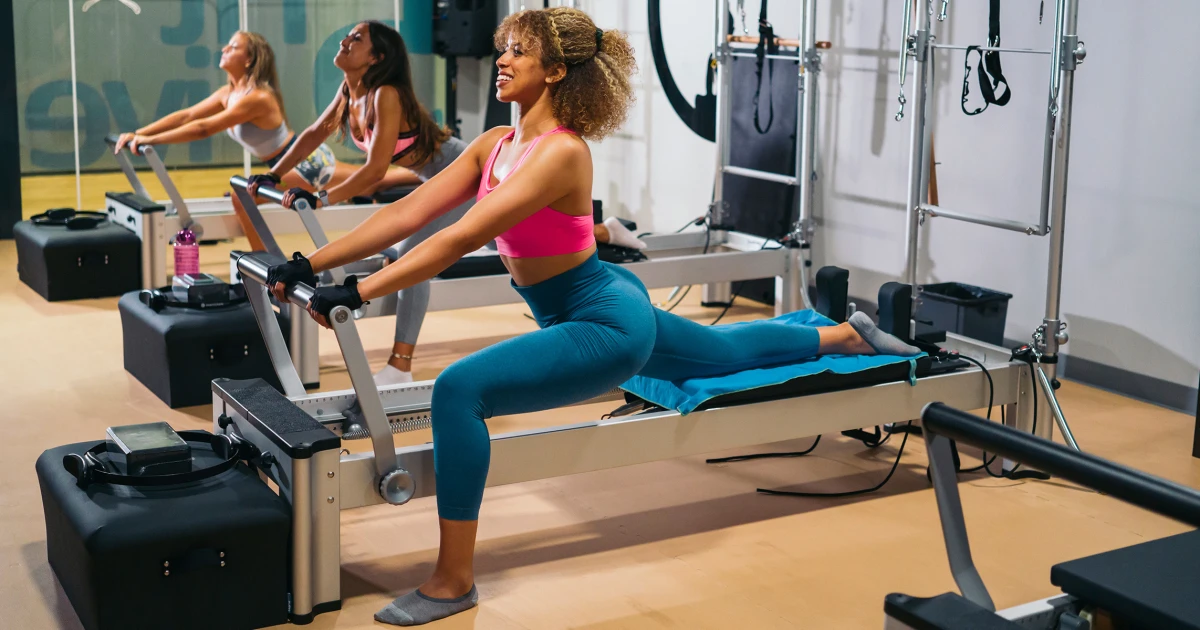

Discover the ins and outs of Reformer Pilates, from its numerous benefits for physical and mental well-being to the potential drawbacks, helping you decide if it’s the right fitness regimen for you.
In the realm of fitness, there are countless methods and techniques to achieve a healthier body and mind. One such method that has gained popularity in recent years is Reformer Pilates. Combining elements of traditional Pilates with resistance training, the Reformer offers a unique and challenging workout experience. Let’s delve into the wonderful world of Reformer Pilates, exploring its pros, cons, and myriad benefits.
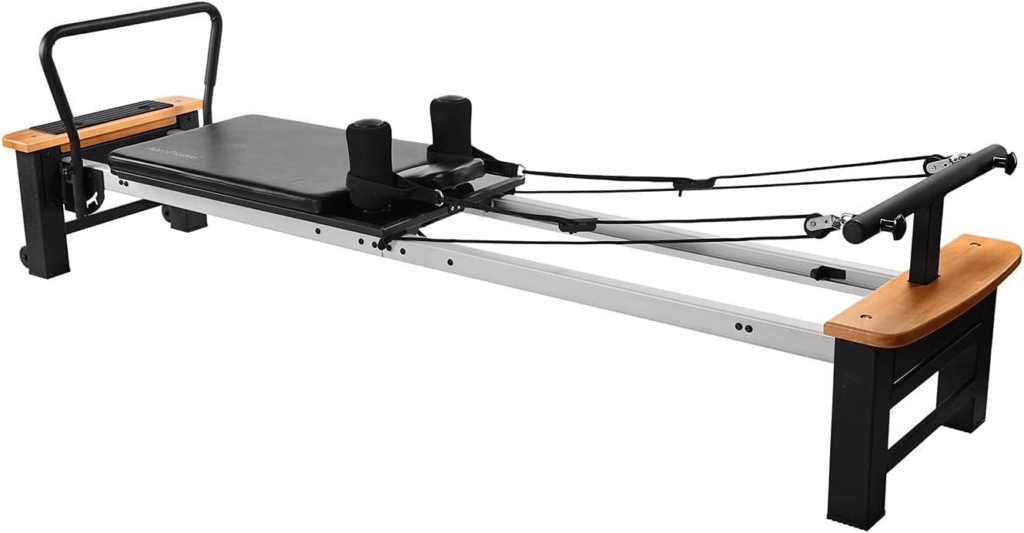
Stamina Whole Body Resistance Padded Foldable Pilates Reformer Workout System with 4 Intensity Bands
Pros of Reformer Pilates:
- Improved Strength and Flexibility: Reformer Pilates focuses on strengthening and lengthening muscles, leading to increased flexibility and overall body strength.
- Low-Impact Workout: Unlike some forms of exercise that can be hard on the joints, Reformer Pilates is gentle on the body, making it suitable for individuals of all fitness levels, including those recovering from injury.
- Core Stability: Core strength is emphasized in Reformer Pilates, helping to improve posture, balance, and stability. This can be particularly beneficial for individuals with back pain or those looking to enhance their athletic performance.
- Customizable Workouts: The adjustable resistance levels and countless exercise variations make Reformer Pilates highly customizable, allowing instructors to tailor workouts to individual needs and goals.
- Mind-Body Connection: Like traditional Pilates, Reformer Pilates emphasizes mindfulness and concentration, promoting a deeper connection between the mind and body, which can reduce stress and enhance mental well-being.

Cons of Reformer Pilates:
- Cost: Reformer Pilates sessions can be expensive, especially when compared to other forms of exercise. Additionally, purchasing a Reformer machine for home use can be a significant investment.
- Learning Curve: Mastering proper form and technique on the Reformer machine may take time, especially for beginners. This can lead to frustration or potential injury if exercises are performed incorrectly.
- Limited Availability: Reformer Pilates classes may not be as readily available as other fitness classes, depending on your location. This can make it challenging to incorporate into your regular exercise routine.
- Not Ideal for High-Intensity Workouts: While Reformer Pilates offers a challenging workout, it may not be suitable for individuals seeking high-intensity cardio or strength training.
Benefits of Reformer Pilates:
- Improved Posture and Alignment: Regular practice of Reformer Pilates can help correct postural imbalances and alignment issues, leading to better overall posture and reduced risk of injury.
- Enhanced Muscle Tone: The resistance provided by the Reformer machine helps to sculpt and tone muscles throughout the body, resulting in a leaner and more defined physique.
- Injury Rehabilitation: Many physical therapists and chiropractors recommend Reformer Pilates as part of a rehabilitation program for injuries, as it can help improve flexibility, strength, and range of motion while minimizing strain on injured areas.
- Stress Reduction: The mindful nature of Reformer Pilates, combined with its focus on controlled breathing and movement, can promote relaxation and reduce stress levels, improving overall mental well-being.
In conclusion, Reformer Pilates offers a wealth of benefits for both the body and mind, from improved strength and flexibility to enhanced posture and stress reduction. While it may not be suitable for everyone, particularly those seeking high-intensity workouts or facing budget constraints, many individuals find it to be a rewarding and effective form of exercise. Whether you’re a seasoned fitness enthusiast or a newcomer to the world of Pilates, Reformer Pilates is certainly worth exploring on your journey to a healthier and happier lifestyle.