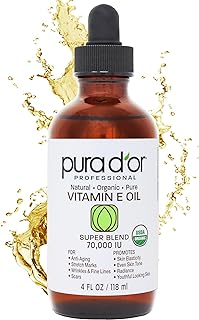
Vitamin E oil, a potent skincare ingredient, might have flown under your radar, but it’s likely a key component in many of your favorite skincare products. This article explores the wonders of vitamin E, delving into what it is, its remarkable benefits, and why you should consider incorporating it into your daily routine.
What is Vitamin E?
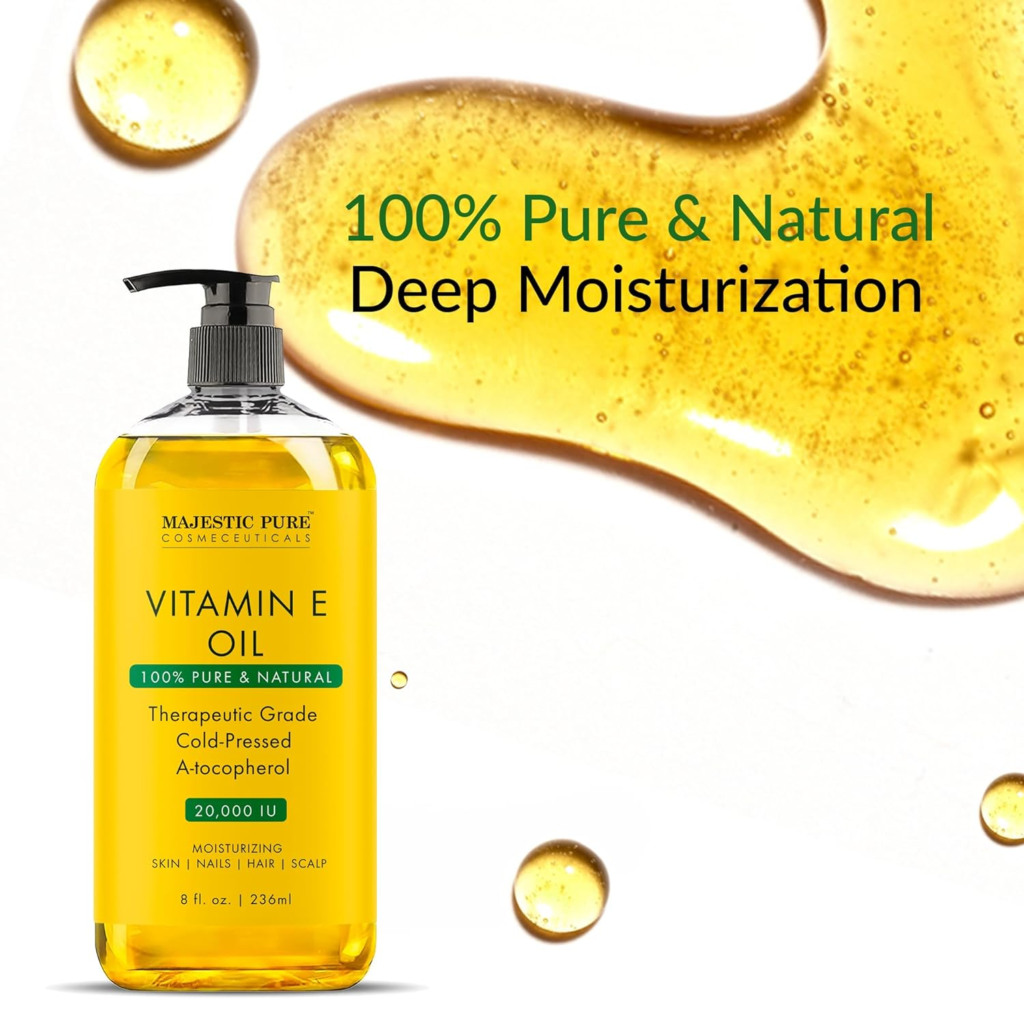
Vitamin E, a fat-soluble vitamin, exists in eight distinct forms and can be naturally found in oils, nuts, fruits, and vegetables for oral consumption. However, when it comes to skincare, it is both naturally present in our bodies and available in various topical applications. Margarita Lolis, MD, a board-certified dermatologist, highlights that it acts as an antioxidant and is even present in our own sebum. Interestingly, individuals with oily skin tend to have higher levels of vitamin E. Krupa Koestline, a cosmetic chemist and the founder of KKT Consultants, explains that the most common forms of vitamin E used in skincare are tocopherols and tocotrienols. Due to its lipophilic nature, vitamin E easily penetrates the skin, offering a range of benefits.
How Does Vitamin E Oil Benefit the Skin?
Vitamin E is primarily revered for its antioxidant and hydrating properties. According to Marisa Garshick, MD, a board-certified dermatologist, it safeguards the skin from free radical damage and acts as a humectant and emollient, locking in moisture and combating dryness. Moreover, it facilitates the healing of wounds, including scars and burns, and possesses anti-inflammatory attributes that soothe irritation. This makes it an excellent choice for skin conditions such as eczema and rosacea. Koestline emphasizes its role as an anti-inflammatory agent, capable of reducing swelling and redness while possibly diminishing the appearance of new scars, particularly helpful for acne scars.
Additionally, vitamin E provides some level of protection from the sun, although it should not replace sunscreen. Koestline advises that vitamin E alone is not a comprehensive UV filter, but it can reduce UV damage and serve as a shield against environmental aggressors, enhancing sun protection against skin cancer when used in conjunction with sunscreen.
Are There Any Downsides to Using Vitamin E Oil?
Unfortunately, vitamin E may not be suitable for all skin types. Garshick points out that it is a known allergen and could potentially cause irritation or allergic reactions in some individuals. Lolis adds that it is comedogenic and can contribute to breakouts, which is why those with oily, acne-prone, or sensitive skin should proceed with caution. A patch test is recommended to assess your skin’s reaction before incorporating vitamin E into your routine. If you have any concerns or questions, consulting your dermatologist is a wise step to determine the best course of action.
Vitamin E vs. Vitamin C: What’s the Difference?
Vitamin E and vitamin C are two prominent antioxidants in skincare, each with its distinct benefits. While vitamin C primarily targets pigmentation and dark spots, brightening the skin, vitamin E excels as a hydrating agent. Interestingly, they often work harmoniously. Lolis states that when combined with ferulic acid, these vitamins create a powerhouse of DNA repair and protection, delivering antioxidant benefits alongside brightening and scar reduction. Research even suggests that they perform more effectively when used together.
How to Use Vitamin E Oil
Incorporating vitamin E oil into your routine is straightforward, as it’s a common ingredient in many beauty products. Koestline mentions that vitamin E plays well with other ingredients, eliminating the need to replace existing products. However, due to its greasy consistency, some may prefer to use it in products like moisturizers, lotions, or cleansers. Koestline advises that vitamin E is not the most stable compound and is best utilized when incorporated into these products. If you opt for the oil version, Lolis recommends applying it as the final step in your skincare routine to ensure it doesn’t impede the absorption of other products. “The order in which [vitamin E oil] is applied is crucial because creams cannot penetrate through oils, but oils can penetrate through creams,” she explains.

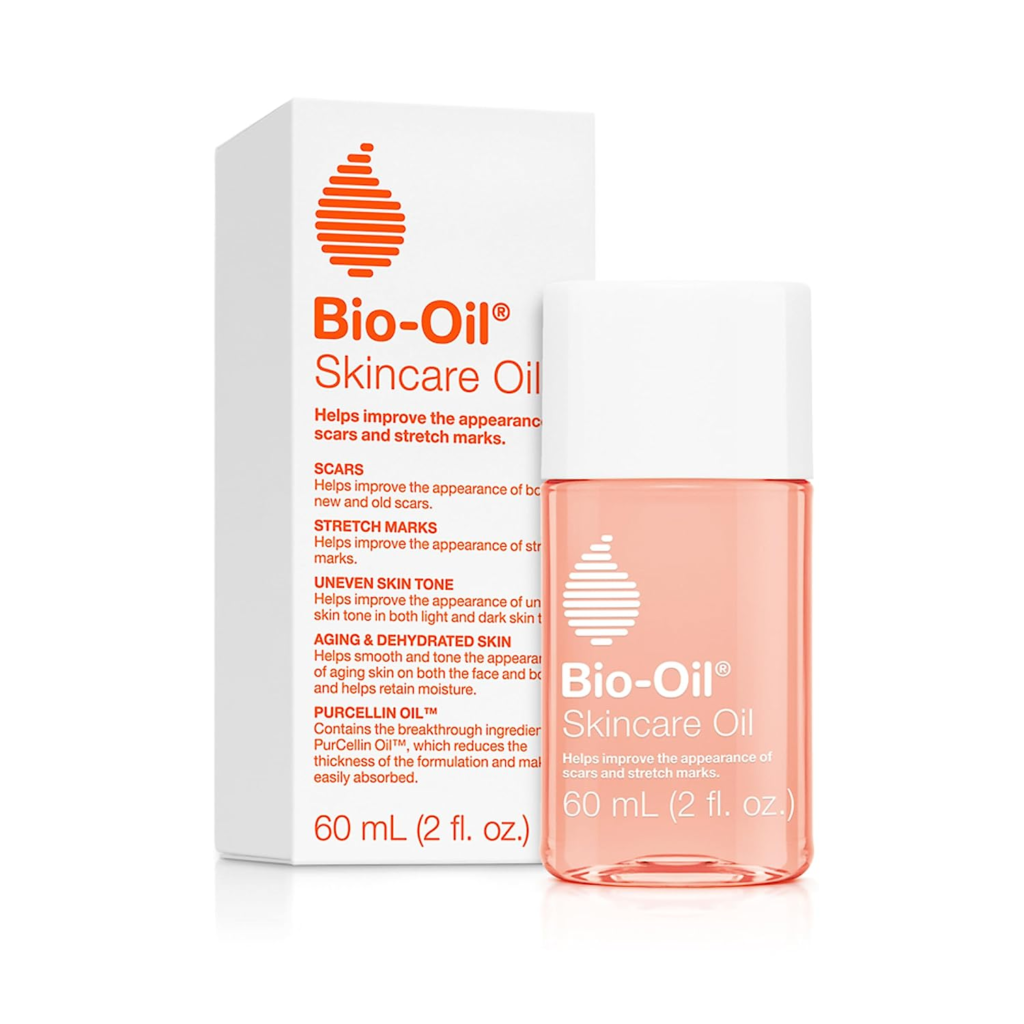
Popular vitamin E products include the renowned Bio-Oil Skin Care Oil and the beloved Skinceuticals CE Ferulic, which offers protection against environmental aggressors, minimizes fine lines, and enhances radiance. If you’re searching for a cream that incorporates vitamin E, consider options like the Charlotte Tilbury Magic Night Cream, which also includes retinol for skin plumping and wrinkle reduction.
In conclusion, vitamin E oil is a versatile and beneficial skincare ingredient, with its antioxidant and hydrating properties making it a valuable addition to your beauty routine. However, it’s essential to consider your skin type and conduct a patch test if necessary. Pairing it with vitamin C can provide a synergistic boost to your skincare regimen, offering a holistic approach to skin health and beauty.